Wednesday, August 26, 2015

15 Critical Habits Of Mentally Strong People

http://www.forbes.com/sites/travisbradberry/2015/08/25/15-critical-habits-of-mentally-strong-people/

Travis Bradberry 


We all reach critical points in our lives where our mental toughness is tested. It might be a toxic friend or colleague, a dead-end job, or a struggling relationship.

Whatever the challenge, you have to be strong, see things through a new lens, and take decisive action if you want to move through it successfully.

It sounds easy. We all want good friends, good jobs, and good relationships.
But it isn’t.

It’s hard to be mentally tough, especially when you feel stuck. The ability to break the mold and take a bold new direction requires that extra grit, daring, and spunk that only the mentally toughest people have.

It’s fascinating how mentally tough people set themselves apart from the crowd. Where others see impenetrable barriers, they see challenges to overcome.

When Thomas Edison’s factory burned to the ground in 1914, destroying one-of-a-kind prototypes and causing $23 million in damage, Edison’s response was simple:
"Thank goodness all our mistakes were burned up. Now we can start fresh again"
Edison’s reaction is the epitome of mental toughness—seeing opportunity and taking action when things look bleak.

There are habits you can develop to improve your mental toughness. In fact, the hallmarks of mentally tough people are actually strategies that you can begin using today.

They’re Emotionally Intelligent

Emotional intelligence is the cornerstone of mental toughness. You cannot be mentally tough without the ability to fully understand and tolerate strong negative emotions and do something productive with them. Moments that test your mental toughness are ultimately testing your emotional intelligence (EQ).

Unlike your IQ, which is fixed, your EQ is a flexible skill that you can improve with understanding and effort. It’s no wonder that 90% of top performers have high EQs and people with high EQs earn $28,000 more annually (on average) than their low-EQ counterparts.

Unfortunately EQ skills are in short supply. TalentSmart has tested more than a million people, and we’ve found that just 36% of these are able to accurately identify their emotions as they happen.

They’re Confident
"Whether you think you can, or think you can’t—you’re right. – Henry Ford"
Mentally tough people subscribe to Ford’s notion that your mentality has a powerful effect on your ability to succeed. This notion isn’t just a motivational tool—it’s a fact. A recent study at the University of Melbourne showed that confident people went on to earn higher wages and get promoted more quickly than others did.

True confidence—as opposed to the false confidence people project to mask their insecurities—has a look all its own. Mentally tough people have an upper hand over the doubtful and the skittish because their confidence inspires others and helps them to make things happen.

They Neutralize Toxic People

Dealing with difficult people is frustrating and exhausting for most. Mentally tough people control their interactions with toxic people by keeping their feelings in check. When they need to confront a toxic person, they approach the situation rationally. 

They identify their emotions and don’t allow anger or frustration to fuel the chaos. 

They also consider the difficult person’s standpoint and are able to find common ground and solutions to problems. Even when things completely derail, mentally tough people are able to take the toxic person with a grain of salt to avoid letting him or her bring them down.

They Embrace Change

Mentally tough people are flexible and are constantly adapting. They know that fear of change is paralyzing and a major threat to their success and happiness. 

They look for change that is lurking just around the corner, and they form a plan of action should these changes occur.

Only when you embrace change can you find the good in it. You need to have an open mind and open arms if you’re going to recognize, and capitalize on, the opportunities that change creates.

You’re bound to fail when you keep doing the same things you always have in the hope that ignoring change will make it go away. After all, the definition of insanity is doing the same thing over and over again and expecting a different result.

They Say No

Research conducted at the University of California in San Francisco showed that the more difficulty you have saying no, the more likely you are to experience stress, burnout, and even depression. Mentally tough people know that saying no is healthy, and they have the self-esteem and foresight to make their nos clear.

When it’s time to say no, mentally tough people avoid phrases such as “I don’t think I can” or “I’m not certain.” They say no with confidence because they know that saying no to a new commitment honors their existing commitments and gives them the opportunity to successfully fulfill them.

The mentally tough also know how to exert self-control by saying no to themselves. They delay gratification and avoid impulsive action that causes harm.

They Know That Fear Is The No. 1 Source Of Regret

Mentally tough people know that, when all is said and done, they will lament the chances they didn’t take far more than they will their failures. Don’t be afraid to take risks.

I often hear people say, “What’s the worst thing that can happen to you? Will it kill you?” Yet, death isn’t the worst thing that can happen to you. The worst thing that can happen to you is allowing yourself to die inside while you’re still alive.

It takes refined self-awareness to walk this tightrope between dwelling and remembering. Dwelling too long on your mistakes makes you anxious and gun shy, while forgetting about them completely makes you bound to repeat them. The key to balance lies in your ability to transform failures into nuggets of improvement. 

This creates the tendency to get right back up every time you fall down.

They Embrace Failure . . .

Mentally tough people embrace failure because they know that the road to success is paved with it. No one ever experienced true success without first embracing failure.

By revealing when you’re on the wrong path, your mistakes pave the way for you to succeed. The biggest breakthroughs typically come when you’re feeling the most frustrated and the most stuck. It’s this frustration that forces you to think differently, to look outside the box, and to see the solution that you’ve been missing.

. . . Yet, They Don’t Dwell On Mistakes

Mentally tough people know that where you focus your attention determines your emotional state. When you fixate on the problems that you’re facing, you create and prolong negative emotions and stress, which hinders performance. When you focus on actions to better yourself and your circumstances, you create a sense of personal efficacy, which produces positive emotions and improves performance.

Mentally tough people distance themselves from their mistakes, but they do so without forgetting them. By keeping their mistakes at a safe distance, yet still handy enough to refer to, they are able to adapt and adjust for future success.

They Won’t Let Anyone Limit Their Joy . . .

When your sense of pleasure and satisfaction are derived from comparing yourself to others, you are no longer the master of your own happiness. When mentally tough people feel good about something they do, they won’t let anyone’s opinions or accomplishments take that away from them.

While it’s impossible to turn off your reactions to what others think of you, you don’t have to compare yourself to others, and you can always take people’s opinions with a grain of salt. Mentally tough people know that regardless of what people think of them at any particular moment, one thing is certain—they’re never as good or bad as people say they are.

. . . And They Don’t Limit The Joy Of Others

Mentally tough people don’t pass judgment on others because they know that everyone has something to offer, and they don’t need to take other people down a notch in order to feel good about themselves.

Comparing yourself to other people is limiting. Jealousy and resentment suck the life right out of you; they’re massive energy-stealers. Mentally tough people don’t waste time or energy sizing people up and worrying about whether or not they measure up.

Instead of wasting your energy on jealousy, funnel that energy into appreciation. When you celebrate the success of other people, you both benefit.

They Exercise

A study conducted at the Eastern Ontario Research Institute found that people who exercised twice a week for 10 weeks felt more socially, intellectually, and athletically competent. They also rated their body image and self-esteem higher. 

Best of all, rather than the physical changes in their bodies being responsible for the uptick in confidence, which is key to mental toughness, it was the immediate, endorphin-fueled positivity from exercise that made all the difference.

They Get Enough Sleep

It’s difficult to overstate the importance of sleep to increasing your mental toughness. When you sleep, your brain removes toxic proteins, which are by-products of neural activity when you’re awake. 

Unfortunately, your brain can remove them adequately only while you’re asleep, so when you don’t get enough sleep, the toxic proteins remain in your brain cells, wreaking havoc by impairing your ability to think—something no amount of caffeine can fix.

Mentally tough people know that their self-control, focus, and memory are all reduced when they don’t get enough—or the right kind—of sleep, so they make quality sleep a top priority.

They Limit Their Caffeine Intake

Drinking excessive amounts of caffeine triggers the release of adrenaline, the source of the fight-or-flight response. The fight-or-flight mechanism sidesteps rational thinking in favor of a faster response to ensure survival. This is great when a bear is chasing you but not so great when life throws you a curve.

When caffeine puts your brain and body into this hyper-aroused state of stress, your emotions overrun your behavior. Caffeine’s long half-life ensures you stay this way as it takes its sweet time working its way out of your body. Mentally tough people know that too much caffeine is trouble, and they don’t let it get the better of them.

They Don’t Wait For An Apology To Forgive

Mentally tough people know that life goes a lot smoother once you let go of grudges and forgive even those who never said they were sorry. Grudges let negative events from your past ruin today’s happiness. Hate and anger are emotional parasites that destroy your joy in life.

The negative emotions that come with holding on to a grudge create a stress response in your body, and holding on to stress can have devastating consequences (both physically and mentally). When you forgive someone, it doesn’t condone their actions; it simply frees you from being their eternal victim.

They’re Relentlessly Positive

Keep your eyes on the news for any length of time, and you’ll see that it’s just one endless cycle of war, violent attacks, fragile economies, failing companies, and environmental disasters. It’s easy to think the world is headed downhill fast.

And who knows? Maybe it is. But mentally tough people don’t worry about that because they don’t get caught up in things they can’t control. Instead of trying to start a revolution overnight, they focus their energy on directing the two things that are completely within their power—their attention and their effort.

Bringing It All Together

Mental toughness is not an innate quality bestowed upon a select few. It can be achieved and enjoyed.

What else makes people mentally tough? How many of these 15 qualities describe youhttp://www.forbes.com/video/2902014943001/ease share your thoughts in the comments section below as I learn just as much from you as you do from me.


Monday, August 10, 2015

Hindari 5 Kesalahan Komunikasi Ini Sebagai Pimpinan

http://bisnis.liputan6.com/read/2290505/hindari-5-kesalahan-komunikasi-ini-sebagai-pimpinan
By 

Ada beberapa kesalahan yang disampaikan secara tidak sengaja saat interview berlangsung. Apa sajakah itu?

Liputan6.com, Jakarta - Keterampilan berkomunikasi penting bagi seorang pimpinan, agar terjalin saling memahami antara atasan dan bawahan. Ini terungkap dari studi Interact dan Harris Poll.
Studi ini meneliti 2.026 pekerja di Amerika Serikat secara online. Hasilnya, lebih dari dua pertiga menginginkan manajer lebih banyak berkomunikasi dengan mereka, agar merasa dilibatkan dalam kegiatan perusahaan.
Sebab terkadang tanpa komunikasi, pimpinan mungkin berpikir karyawan melakukan pekerjaan dengan baik, tim telah berjalan dengan baik namun kenyataannya tidak demikian.
Berikut beberapa kesalahan umum soal komunikasi seorang pimpinan dan bagaimana cara memperbaikinya dilansir dari laman Entrepreneur, Senin (10/8/2015):
1. Tidak transparan
Hasil survei menyebutkan, 81 persen karyawan lebih suka bekerja dengan perusahaan yang menghargai komunikasi, daripada fasilitas lain seperti kupon makanan, dan gym gratis, menurut survei 15Five. 
Sebab itu, sebagai pimpinan ciptakanlah lingkungan di mana karyawan merasa aman untuk berkomunikasi secara terbuka. Ingatkan karyawan atas nilai-nilai inti organisasi, dan memimpin dengan keteladanan. Juga lebih sering berbagi pengalaman secara terbuka. Menciptakan peluang bagi tim untuk bersosialisasi secara teratur sehingga semua orang bisa mengenal satu sama lain.
2. Hanya mengandalkan email
Menurut theEMPLOYEEapp Mobile Trends, dalam survei kerja yang diterbitkan pada Mei menunjukan, mayoritas perusahaan banyak mengandalkan email untuk berkomunikasi. Kenyataannya 30 persen karyawan mengabaikan email tersebut. Sebab email bukan menjadi cara yang paling efisien untuk berkomunikasi.
Memanfaatkan teknologi baru untuk meningkatkan komunikasi dengan karyawan. Alat sosial, dan aplikasi mobile bisa membuat perbedaan, tapi aplikasi tersebut kurang dimanfaatkan di tempat kerja - hanya 8 persen dan 10 persen dari pengusaha menggunakan keduanya.
Coba aplikasi instant messaging, atau aplikasi- aplikasi komunikasi mobile, seperti Voxer, misalnya. App "push to talk" terdapat fitur pesan suara real-time, seperti walkie talkie - tetapi teknologi ini jauh lebih canggih, hemat dan sinkron dengan semua perangkat.
3. Gagal membangun hubungan dengan karyawan
Hubungan karyawan dengan atasan secara langsung semakin menjadi pendorong utama kepuasan kerja. 54 persen dari karyawan menilai faktor ini "sangat penting" untuk kepuasan mereka, menurut penelitian yang dilakukan SHRM pada bulan Juli dan Agustus 2013.
Sebab itu jadwalkan waktu bertemu dengan karyawan secara teratur, dan menggali informasi tentang perkembangan pekerjaan mereka.
Tanyakan kegiatan mereka di luar jam kerja, karena faktor pribadi sering mempengaruhi kinerja dan motivasi. Karyawan merasa atasan mereka peduli secara pribadi, bukan hanya secara profesional, akan merasa lebih dihargai, dan terlibat.
4. Tidak menanggapi 
Hanya 15 persen karyawan percaya tanggapan mereka sangat dihargai oleh manajer, menurut survei 15Five. Ketika karyawan merasa umpan balik mereka tidak dihargai, mereka tidak akan mengatakan apa-apa.
Mendorong karyawan untuk berbagi pikiran, dan rekomendasi tentang proses dan prosedur organisasi. Beri mereka alat-alat, dan kerangka kerja untuk memberdayakan karyawan.
Sebanyak 70 persen dari karyawan akan lebih mungkin untuk berbicara tentang perasaan jika memiliki platform berbasis web yang akan digunakan untuk berbagi tanggapan dengan manajer.
5. Terlambat mengatasi konflik
Banyak para pemimpin menunda menangani konflik untuk menghindari ketegangan dan menjaga penampilan harmonis. Tapi, langkah tersebut berpotensi meningkatkan ketegangan. Terpendamnya emosi negatif akan menciptakan lingkungan yang tidak saling percaya.

Selesaikan konflik dengan segera, tapi lakukan pada area netral dengan pikiran terbuka. Jadilah lebih sensitif terhadap prilaku karyawan dengan dengan berbagai macam karakter. Terlibat dalam pembinaan, dan belajar memahami motivasi karyawan, membuat resolusi konflik lebih cepat.

Thursday, August 6, 2015

Begini Perilaku Belanja Online Konsumen Indonesia

http://mix.co.id/brand-insight/research/begini-perilaku-belanja-online-konsumen-indonesia/
BY 

Tingginya angka penetrasi smartphone di Indonesia, membuat Google untuk meneliti tentang perilaku konsumen para pengguna smartphone terhadap aktifitas belanja online. Dalam riset bertajuk Consumer Barometer 2015, tercatat di Indonesia penetrasi ponsel cerdas tahun 2015 sudah mencapai 43 persen dari total populasi Indonesia dimana sekitar 67 persen penggunanya berbelanja produk dari smartphone mereka. Perilaku belanja online tersebut, jauh lebih tinggi dibandingkan dengan 10 persen di Amerika Serikat dan 7 persen di Inggris.

IMG_20150804_112617__1438755961_28902
Menyingkap hasil riset Google mengenai perilaku belanja online pada netizen Indonesia

“Kini para konsumen menjalani kehidupannya secara online, tidak jauh dari sejumlah layar dan perangkat, sangatlah penting bagi brand hadir saat “momen-mikro” terjadi – yakni saat preferensi dibentuk dan keputusan dibuat oleh konsumen,” papar CMO Google Asia-Pacific Simon Kahn saat presentasi di Kantor Google Indonesia, Jakarta, pada Selasa (4/8/2015) .
Dari hasil survei yang melibatkan sekitar 1200 responden di Indonesia sejak Januari sampai Maret 2015, Google mengungkap bahwa sekitar 67 persen para pemilik smartphone di Indonesia rupanya lebih memilih untuk menggunakan smartphone-nya sebagai alat untuk berbelanja online. Menurut Simon, persentase penggunaan smartphone dan pengaruhnya pada pola belanja setidaknya dapat memberikan gambaran kepada pelaku bisnis agar melakukan penyesuaian dalam cara mendekati konsumen.
Menurut Simon, dengan menggunakan Consumer Barometer, para pemasar dapat menemukan informasi apapun. Mulai dari seberapa sering masyarakat beraktivitas secara online, bagaimana mereka mencari informasi, melakukan riset, dan membeli. “Survei ini juga diadakan agar dapat membantu pihak dari kalangan pemasar dan media planner untuk dapat terlibat secara langsung dimana “momen mikro” yang disebutkan oleh pihak Google terjadi.”
Berdasarkan hasil riset, Google mencatat bahwa dalam kategori I-want-to-buy-moment, sekitar 50 persen dari konsumen online di Indonesia membandingkan produk – produk di smartphone sebelum melakukan pembelian, dibandingkan dengan 36 persen di Amerika Serikat.
Di sisi lain, 67 persen dari pelanggan online di Indonesia menggunakan smartphone mereka untuk belanja – merupakan salah satu yang tertinggi di dunia. Veronica Utami, Head of Marketing Google Indonesia, menyebutkan bahwa industri travel adalah salah satu industri yang sangat peka dan efektif memanfaatkan digital (mikro – moment) untuk menjangkau para pengguna smartphone dalam memberikan informasi dan melakukan pembelian dengan menggunakan format smartphone.
“In digital, everything equal battle ground. Sehingga apapun skal bisnisnya. Para pemilik brand bisa memberikan informasi apapun untuk bisa diterima oleh konsumen (netizen),” sebut Utami. Lanjutnya, Indonesia adalah salah satu dari 21 negara di dunia dimana penggunaan smartphone lebih banyak dibandingkan penggunaan perangkat komputer, dan 30 persen dari pemilik smartphone melakukan penelusuran dengan perangkatnya setidaknya satu kali dalam seminggu.
“Cukup jelas bahwa bisnis di Indonesia perlu memiliki strategi pemasaran seluler,” tambah Simon.
Sebelumnya Simon menjelaskan bahwa Consumer Barometer merupakan online tool gratis komprehensif bagi para planner yang ingin mengerti dan membandingkan perilaku para konsumen digital maupun perilaku berbelanja di seluruh dunia. Pelaku bisnis bisa mengaksesnya di www.consumerbarometer.com.

Sunday, July 12, 2015

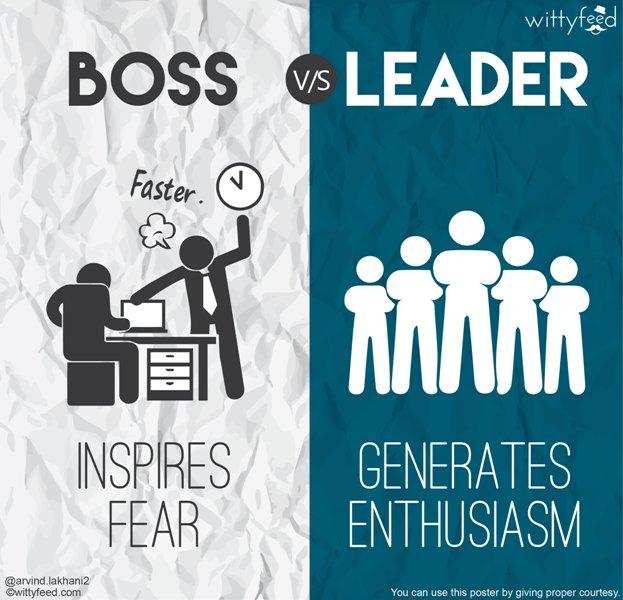
Know what separates ‘A Leader’ from ‘A Boss’

http://www.businessinsider.in/Know-what-separates-A-Leader-from-A-Boss/articleshow/48020843.cms?utm_source=facebook.com&utm_medium=social&utm_campaign=FB
by RICHA SHARMA

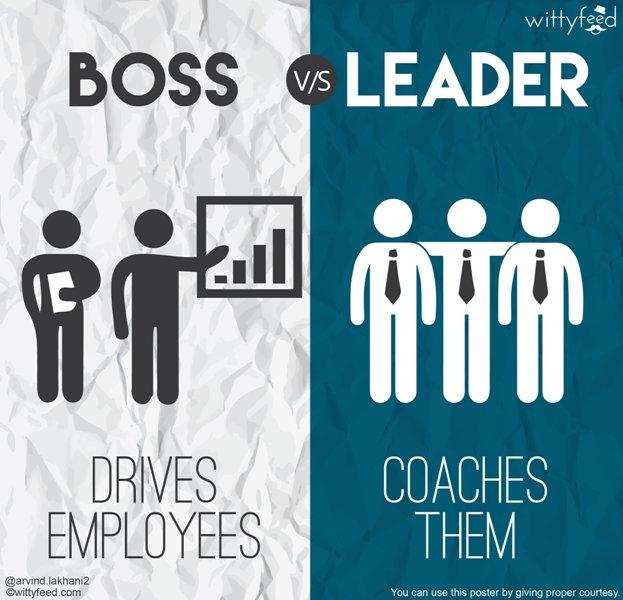
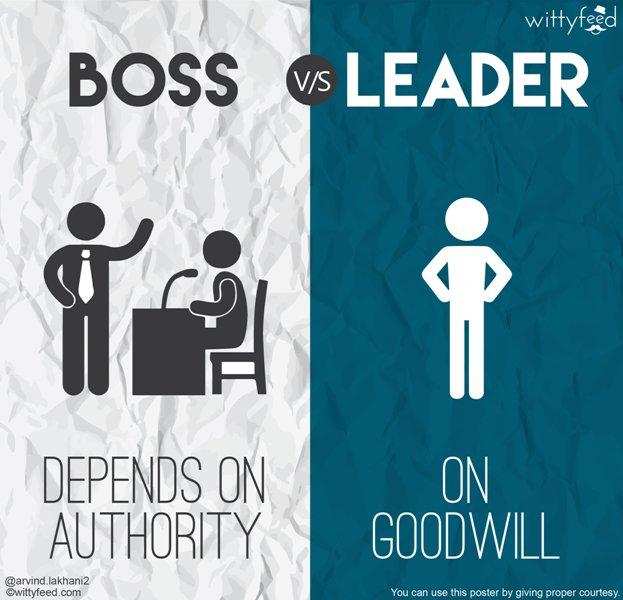
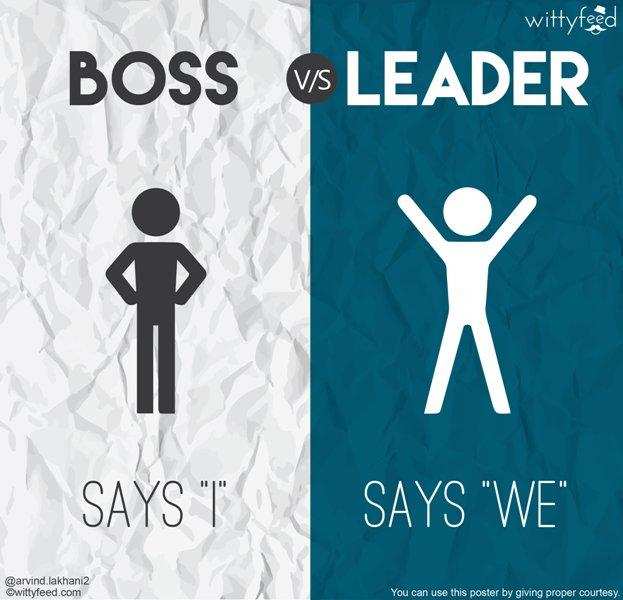
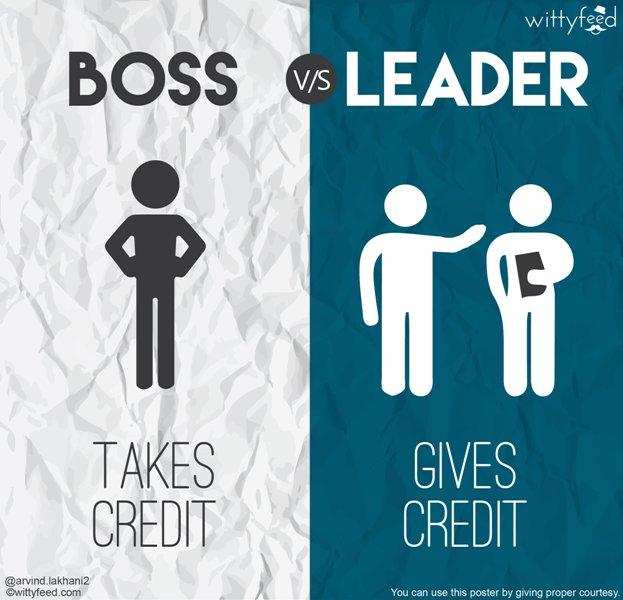
There are good bosses, bad bosses, and then there is the rare breed of leaders, people who bring out the best of their team members. Ever wondered, what these people, we mean leaders, do differently that most 'bosses' don't? No, please don't go back digging for your management books to find an answer, because the answer doesn't lie there. The answer is here, with us, in these 8 pictures that beautifully (and subtly) explain the difference in no time. Check'em out and do let us know how convinced you are with the explanation.


Knows 'we' not 'I' build a 'successful' team


Knows ‘we’ not ‘I’ build a ‘successful’ team
A leader knows alone he can travel few miles, but together the team can cover many. This is why they make plans for the entire team, not just themselves. However, most bosses put their highly inflated egos and self-centered personality above team spirit and thus, fail to bring out the best of themselves as well as that of the team.
Knows the power of appreciation

Knows the power of appreciation
A great leader knows how powerful the words of appreciation are. They know how a simple ‘thank you’, ‘great job’, ‘love your idea’ and ‘you are the best’ can motivate their team members to walk an extra mile and deliver their best.
Encourages and enthuses ‘all’ minds in the team

Encourages and enthuses ‘all’ minds in the team
While some people are self-motivated and are eager to learn and take new responsibilities, others need encouragement to feel motivated and get enthusiastic about their job. And this is one thing that leaders excel at.
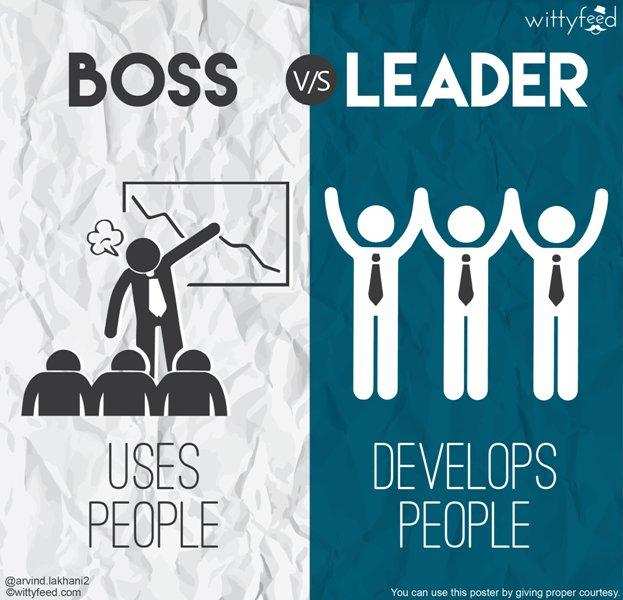
Owns the responsibility of developing his team members

Owns the responsibility of  developing his team members
A great leader knows that every person on this earth has the potential to do something great, it is just that someone needs to spend some time for nurturing their talents and help overall growth.
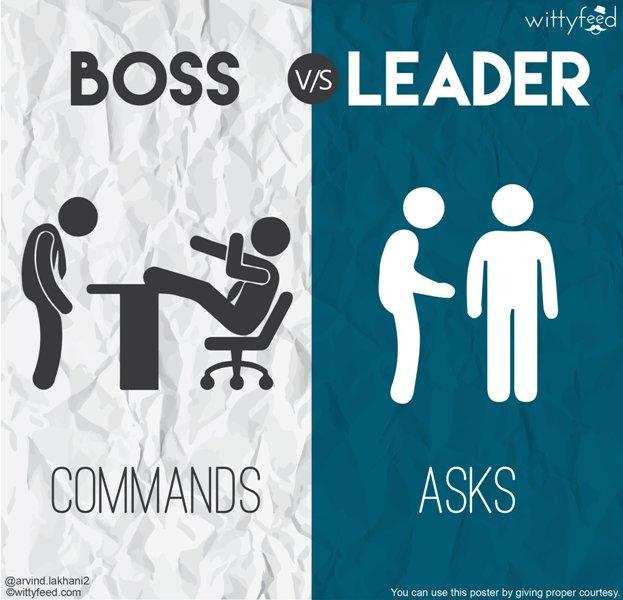
Politely ‘request’ not just ‘give orders’

Politely ‘request’ not just ‘give orders’
A leader knows that his better hierarchical position gives them the right to shoot commands or order people, but they still choose to make a polite request—simply because, they respect other people as much as they respect themselves.
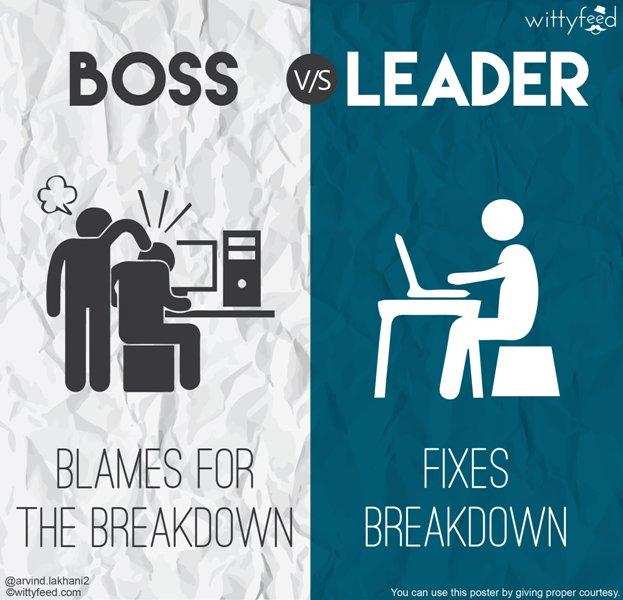
Fixes problem instead of playing the ‘blame game’

Fixes problem instead of playing the ‘blame game’
In event of a breakdown, leaders do get to the root cause of the problem but only after resolving the problem at hand. Yes, they make it a point to tell people what really went wrong without playing the blame game.
Mentors people on how they can deliver their best

Mentors people on how they can deliver their best
A good leader not just manages or dictates target, but coaches team members on how they can optimize their strengths to overcome their weaknesses so as to become a better professional.
Use ‘good will’ not ‘authority’ to get things done

Use ‘good will’ not ‘authority’ to get things done
An effective leader makes a good relationship with their team members, which ensures that there is enough good will that runs both ways.

Saturday, June 27, 2015

Bagaimana Membuat Brand Activation yang Sukses?


http://mix.co.id/brand-communication/bagaimana-membuat-brand-activation-yang-sukses/
BY 

Menurut Lauren Durant, Director Isilumko Activate – perusahaan marketing, branding, desain, dan konsep kreatif – brand activation dapat menjadi solusi agar brand memiliki diferensiasi dari kompetitornya di tengah pasar yang semakin sesak.

brand_activation__1435129320_76502
Strategi untuk membuat brand activation yang sukses

Selain sebagai wadah untuk menciptakan komunikasi dua arah antara brand dan konsumen, brand activation juga berfungsi untuk membangun ketertarikan konsumen, misalnya saja lewat product experience dengan cara memberikan kesempatan bagi konsumen untuk mencoba produk atau jasa secara personal. Experience biasanya diciptakan melalui edukasi sehingga konsumen mau mengapresiasi brand. Dalam meenciptakan experience itu, brand tentunya juga harus mampu membangun hubungan emotional dengan mereka. Semakin kuat hubungan emosional, maka interaksi pun akan lebih berkualitas, misalnya saja konsumen akan lebih sering lagi membeli produk.

Berbeda dengan kesuksesan traditional marketing yang dapat diukur dari jumlah impresi target audiens, brand activation dapat dikatakan sukses jika mampu menciptakan engagement dengan konsumen, engagement yang membuat konsumen merasakan value brand, ketimbang hanya menjadi target brand.
Mungkin hanya 1.000 orang yang merasakan sendiri peluncuran produk baru misalnya di sebuah pusat perbelanjaan. Namun jika event di-share di sosial media, misalnya saja Instagram atau YouTube, dampaknya bisa menjadi lebih besar. Manusia adalah makhluk sosial dan memiliki kebutuhan untuk berkomunikasi dan berinteraksi. Walaupun event yang digelar suatu brand adalah event sederhana, brand activation adalah pilihan untuk membuat dampak yang lebih luas.
Kualitas dampak yang dihasilkan oleh suatu brand lebih penting daripada reach suatu pesan. Memaksimalkan reach akan tidak berarti jika isi pesan tidak didengar dan didalami oleh target audiens. Jika audiens menganggap message sebagai gangguan, kemungkinan besar mereka akan mengabaikannya.
Brand activation memang mampu memberikan hasil yang bagus, tetapi perlu diingat bahwa kampanye harus relevan dengan strategi brand. Untuk menghasilkan aktivasi merek yang sukses, dibutuhkan perpaduan dari berbagai elemen. Jika kampanye tidak menarik, produk atau jasa bukan yang dibutuhkan oleh masyarakat, kampanye tidak dipromosikan dan lain sebagainya, maka bisa langsung dikatakan bahwa aktivasi tidak akan mencapai tujuan.
Dikatakan Lauren Durant, beberapa elemen strategis yang wajib diingat brand dalam membuat suatu brand activation, yaitu: target komunikasi, tentukan sebelumnya berapa banyak engagement/komunikasi dengan audiens yang harus diciptakan; distribusi materi/hadiah, tentukan berapa banyak produk yang akan dikeluarkan selama kampanye; target penjualan; aktivitas call-to-action; target konversi; dan seberapa besar aktivasi ini mempengaruhi persepsi atau behaviour konsumen.