Wednesday, July 15, 2020

Why Walking The Talk is Critical

https://www.linkedin.com/pulse/why-walking-talk-critical-gordon-tredgold

Gordon Tredgold


You've probably heard the phrase that leaders have to talk the talk, and then walk the walk.

I know I have at it has been mentioned in practically every leadership training course I have been done.

Some of the reasons stated as to why this is important are that it helps show authenticity and it helps build trust in the leader.

Now whilst I agree with those reasons I also think there is an even more important reason, one which has a much bigger impact on actions, performance, and outcomes.

That is that when a leader's actions are out of step with what they are saying or demanding it opens opportunities for those below, in the chain of command, to ignore the direction, guidance, or instruction too. Which can result in people either working on different strategies or working against the stated strategy.

A great example of this is mask-wearing as a preventative measure in the fight against coronavirus.

Now to be clear, this article is not about the rights and wrongs of mask-wearing as I am sure there are many more qualified people to talk about that.

No, I just want to use this as an example of what can happen when a leader talks the talk but doesn't walk the walk as I think it's insightful.

The Center for Disease Control recommends the wearing of masks, and Donald Trump shares that message. Here the leader is talking the talk, he is setting the direction and giving the guidance.

But when he says 'but I won't be doing that', i.e. I won't be walking the talk, then he has completely undercut the guidance and direction.

No alt text provided for this image


When that happens, the chances of 100 percent of your people following that guidance are nil. Not only that but you have also given people in the chain of command the option to not share that guidance or to police it.

Now in companies, most leaders don't undercut the direction so bluntly.

But the next step of not wearing a mask demonstrates that you are not going to walk the talk, and the undermines the message even more.

People follow actions more than they do words, and if you don't do what you say should be done, then even more people in the chain of command can undermine the direction, and people see that the directive is optional.

When you don't walk your own talk, then even having 50 percent of the people following that direction would be a great result.

I have experienced this and seen this myself in many companies, where leaders say one thing and do another, and are then surprised that people don't follow their spoken direction.

People follow actions much more than they do words.

Leaders are role models, and people model the behaviors of leaders, this means that if you want your teams, your employees to do something, then you need to be doing it too.

If you want people to wear masks, then you need to wear a mask.

If you want people to be customer-focused then you need to be customer-focused.

If you want your organization to be inclusive then you need to be inclusive.

If you leave any wiggle room between what you say and what you do, you make what you. say optional.

At one company where I worked our boss was huge on inclusion and diversity and talked about it all the time, and how this was a priority for him.

Yet he coupled that with sexist comments and behavior which undermined women and gave those who didn't want to implement this strategy the opportunity to dodge it.

I literally sat in meetings where other managers went against the directive and when I mentioned diversity was a priority, people said no it isn't he's just saying that because he thinks he has to.

This is why you have to walk the talk, not just to show your authenticity, or to build trust in you as a leader. But because if you don't then people won't follow your words, they will follow your action, which might not be what you want.

I will never forget my mother telling my sisters not to smoke because it was bad for your health, as she smoked one of her 20 a day habit.

Guess what, both my sisters went on to smoke.

As I say this is article is not about the rights and wrongs of mask-wearing it's about showing the power of walking the talk and the impact of what can happen when you don't.

You need to have the consistency of direction, messages, and action if you want to drive 100% compliance and adherence to your strategy.

And the more variation there are between these, the lower the percentage of people there will be who follow that verbal direction.

If you want support or assistance in improving your leadership or the performance of your teams email me at gordon@gordontredgold.com and let's talk about how I can help.

Gordon Tredgold

Tuesday, July 14, 2020

Denny Siregar: Perang Besar Dimulai

https://www.tagar.id/denny-siregar-perang-besar-dimulai
Denny Siregar
Opini

Apa yang saya lakukan bukan untuk menghancurkan perusahaan itu, justru ingin menyelamatkannya supaya kepercayaan masyarakat menguat. Denny Siregar.


Ilustrasi - Gedung Telkom Landmark Tower. (Foto: BUMN Track)

Membersihkan kadrun di dalam perusahaan, apalagi perusahaan besar, tidak bisa hanya teriak-teriak di media sosial. Media sosial hanya berdampak sosial, dan getarannya cuma sedikit saja, habis itu hilang. Bahkan bagi mereka tidak akan terasa

Bukan juga dengan boikot cabut kartu. Hilang satu dua pelanggan, tidak akan berpengaruh. Apalagi main tagar dan bintang satu di aplikasi. Mereka ketawa ngakak dengan permainan anak-anak seperti itu.

Mereka sudah begitu lama di sana, sudah mengakar dan beranak-pinak. Bahkan mereka membangun perkumpulan karyawan yang bisa menekan Direksi terpilih. Atau memainkan isu lewat majelis agama yang sudah lama mereka bangun di sana.

Siapa pun kepalanya di sana, tidak akan mampu membersihkan mereka, karena banyak faktor, dan faktor utama adalah takut jabatannya hilang.

Cara yang benar adalah usik sarangnya dengan bermain secara hukum, lewat gugatan. Gugatan yang benar bisa menghajar mereka habis-habisan, sehingga kepalanya akan teriak kesakitan. Dan ketika dia kesakitan, dia akan menggigit ke mana-mana, termasuk ke dalam.

Internal mereka akan dibersihkan. Banyak orang yang diduga terlibat akan dibuang.

Itulah yang kadrun takutkan. Dampak sistemik. Ibarat virus yang tidak bisa diobati hanya dengan obat demam, kita harus masuk ke dalam aliran darahnya dan mencari sumber utamanya.

Jika sumber utama ditemukan dan dimusnahkan, tubuh perusahaan akan membangun antibodi sendiri. Dan antibodi itu akan melawan virus-virus yang bersarang.

Jadi, jangan berpikir apa yang akan saya lakukan itu menghancurkan perusahaan itu. Saya justru ingin menyelamatkannya supaya kepercayaan masyarakat menguat.

Ini perang besar. Lawannya kuat dan berdana besar. Guncangannya keras dan menakutkan. Tapi ini juga tegang sekaligus mengasyikkan. Dari peristiwa inilah, saya akan tahu, siapa teman dan siapa sesungguhnya lawan.

Seruput kopinya, kawan.

*Penulis buku Tuhan dalam Secangkir Kopi

Monday, July 13, 2020

Revolusi Kelas Menengah, Revolusi Kangkung dan Lele


https://indoprogress.com/2020/07/revolusi-kelas-menengah-revolusi-kangkung-dan-lele/?utm_source=feedburner&utm_medium=email&utm_campaign=Feed%3A+indoprogress-feed+%28IndoPROGRESS%29


Thursday, July 9, 2020

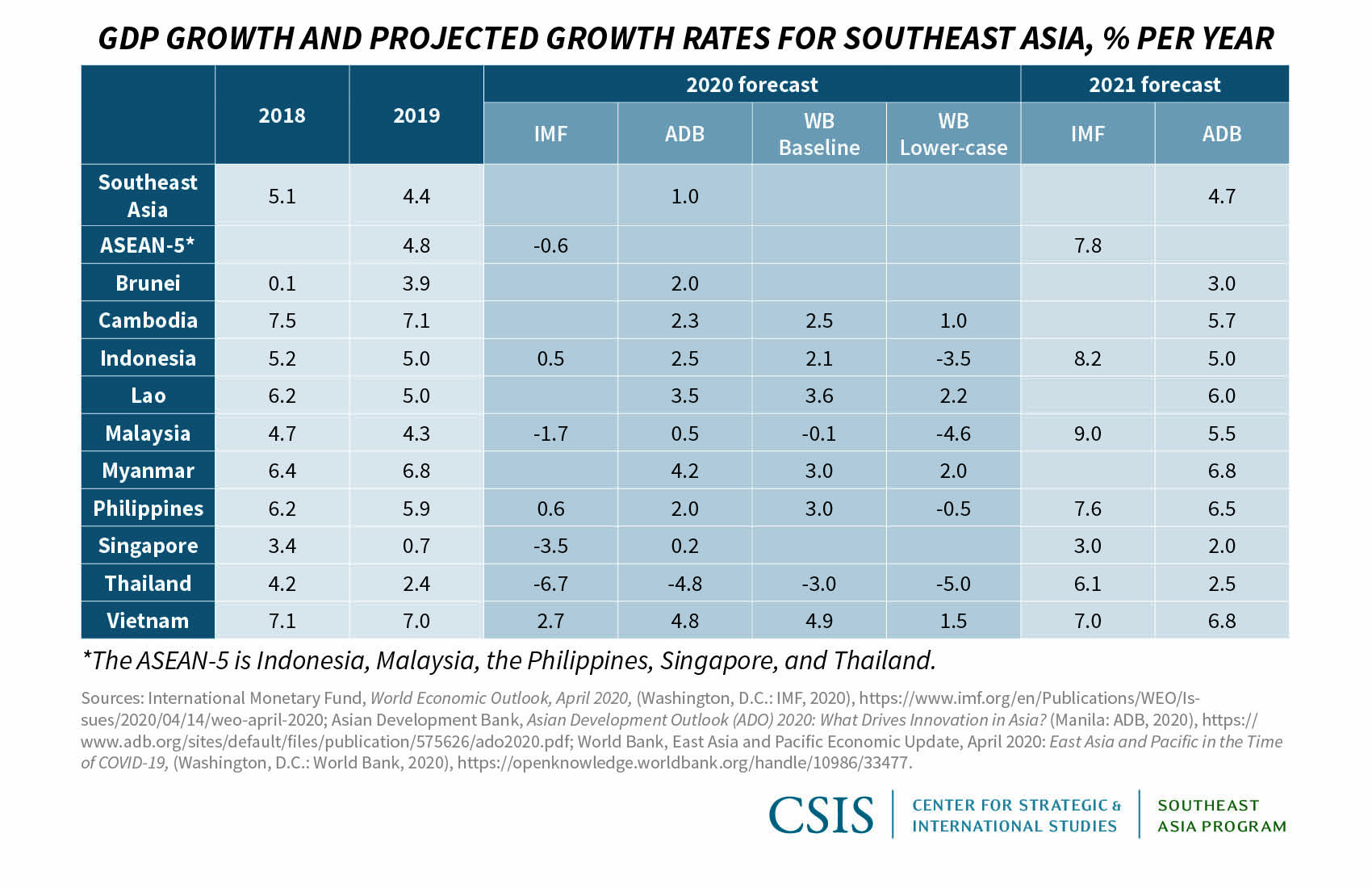
The Economic Toll of Covid-19 on Southeast Asia: Recession Looms as Growth Prospects Dim


https://www.csis.org/analysis/economic-toll-covid-19-southeast-asia-recession-looms-growth-prospects-dim

Saturday, June 13, 2020

How to do thoughtful work when you just can’t focus

https://www.fastcompany.com/90512770/how-to-do-thoughtful-work-when-you-just-cant-focus
BY AYTEKIN TANK

Telling yourself to snap out of it and get to strategic work is not so easy. Turn to a few of these tips to help you reset and absorb the bigger picture around you.


[Source images: geralt /Pixabay; holdentrils/Pixabay]

For leaders navigating unpredictable times, one attribute is critical to thinking strategically: focus.

For many entrepreneurs, leaders, and creatives, focus has never been more difficult to achieve. According to the U.K.-based New Statesman magazine, Google searches for “how to get your brain to focus” jumped by 300% between February and early May 2020.
Disrupted routines are partly responsible for derailed attention spans, but biology is also part of the cause.
When your brain detects imminent danger, the prefrontal cortex—the area responsible for critical thinking, impulse control, and focus—gives way to more primitive functions that protect you in the present moment. The pandemic is an ongoing threat, but most of us are not in immediate danger. Yet this often-chaotic situation demands clarity. To keep a business afloat or plan for an ever-changing future, you need to think strategically—not frantically.
The good news? Strategic thinking is a practice. Even as the world shifts below our feet, we can cultivate the ability to generate new ideas and make ingenious, unexpected connections. Here are three ways to focus on the big picture.

MAKE TIME TO REFLECT

Jumping from task to task inhibits your ability to process new information. Your mind needs time to let ideas sink in. “Reflection gives the brain an opportunity to pause amidst the chaos, untangle, and sort through observations and experiences, consider multiple possible interpretations, and create meaning,” leadership consultant Jennifer Porter writes for Harvard Business Review. “This meaning becomes learning, which can then inform future mindsets and actions.”
Since the earliest days of my entrepreneurial journey, I’ve taken time off to help my family with the annual olive harvest in my home country of Turkey. It’s an opportunity to reflect on what matters, what’s possible—and how our company can do better. Few of us are taking vacations right now, or spending a week knee-deep in olives, but we can still pause and reflect.
If you’re struggling to pull back from day-to-day details, block off an hour in your calendar. Treat it as a nonnegotiable appointment. Minimize distractions and ask yourself questions such as “What will success look like 2, 5, or 10 years from now?” In the midst of the COVID-19 crisis, shorter time frames might also be appropriate. Think 6-8 weeks or even six months into the future and ask about your company, “How do our current projects contribute to our mission?”
Strategic thinking is essential, but it’s not always comfortable. You might have creative breakthroughs and feel inspired to blaze ahead. You might also feel vulnerable, scared, irritated, or even bored. Take a deep breath, sit with those feelings, and persevere.
In my experience, there’s always something valuable on the other side of discomfort.

AIM TO EMBRACE CHANGE

The pandemic has already been devastating for millions of people worldwide. From job loss to human loss, there’s no sugarcoating this crisis. At the same time, there are always glimmers of hope in difficult moments. Consider how you can adapt to the economic, cultural, and social changes of the past several months—even if they’re shifts you didn’t welcome.
For example, can you develop an offering that blends digital and in-person delivery? Could a physical product evolve into a virtual service? As an employee, how can you add more value? And most importantly, how can you help others adapt to our new realities?
At my company, we chose to offer free accounts to first responders, healthcare workers, and nonprofit organizations. We’re not looking for applause; it was the right thing to do. As we support local responders with accounts and COVID-19 templates, we’re also learning more about our customers. Thanks to support-line calls and communication with subscribers, we’re discovering what people need now and how we can provide it.

BROADEN YOUR PERSPECTIVE

Travel is always one of the best ways to cultivate fresh ideas, whether you’re attending a conference or seeing the world. Most trips aren’t in the cards for a while, but you can still connect with people who challenge and engage you. Set up a brainstorming session with a friend or colleague. Read about topics outside your normal range of interests.
If you have the time, take an online class or view live presentations. You’ve probably watched some great TED Talks, but I also recommend Creative Mornings, the breakfast speaker series that launched in New York and spread around the globe. These newly virtual talks put the world at your fingertips. Tune in for live presentations from Barcelona to Baltimore or choose from almost 9,000 archived videos.
You can also explore strategic relationships. Many top companies collaborate with employees, customers, and other organizations to expand their thinking. For example, Nike and Apple teamed up to create Nike+, while Barnes & Noble bookstores invited Starbucks to create in-house coffee shops. “Partnerships are transactional. Strategic relationships are transformational,” says David Nour, author of Co-Create: How Your Business Will Profit From Innovative and Strategic Collaboration
In other words, with a wider range of viewpoints, you can create something completely above and beyond your individual efforts.

Aytekin Tank is the founder of JotForm, a popular online form builder. Established in 2006, JotForm allows customizable data collection for enhanced lead generation, survey distribution, payment collections, and more.